
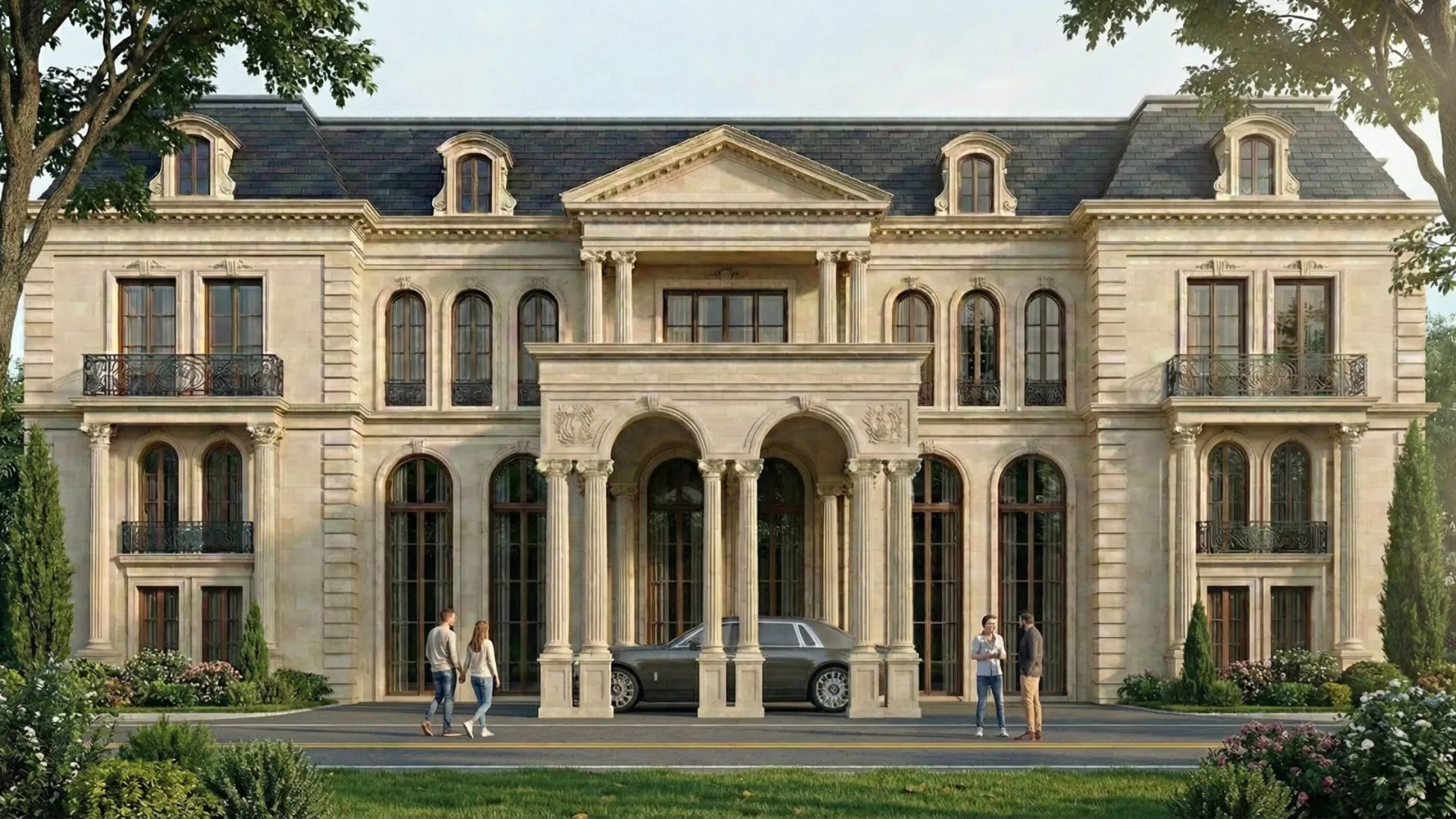
Architecture does not exist in isolation. Every building belongs to a particular climate, landscape, culture and history, and these conditions can influence how it takes form. In a city like Jaipur, where the built environment carries a strong relationship with its climate and architectural heritage, designing for a place becomes an opportunity to create buildings that feel connected to where they stand.
Jaipur offers a distinct architectural vocabulary shaped by its intense sunlight, warm climate and historic relationship with courtyards, shaded openings and carefully proportioned façades. From the deep shadows of traditional streetscapes to the controlled openness of historic residences, the city demonstrates how architecture can respond to its environment while developing a strong sense of identity.
Responding to place, however, does not mean reproducing historical architecture. It means understanding the principles that have shaped it and interpreting them through a contemporary architectural language. A residence can draw from the character of its surroundings without becoming a replica of what came before.
Climate is an important part of this response. In Jaipur, where heat and strong sunlight are defining environmental conditions, elements such as shaded openings, courtyards, screened surfaces and controlled exposure can contribute to a more responsive architectural approach. These elements can also create a dialogue between the building and the traditions of the region.
Context extends beyond climate. The scale of a building, the proportion of its façade, the depth of its openings and the way it meets the street can all influence whether it feels rooted in its setting. In Jaipur, these considerations become particularly relevant within a city where architectural character is closely tied to its distinctive streetscapes and historic forms.
Contemporary architecture does not have to choose between belonging to its context and expressing its own time. It can interpret familiar principles through new forms, technologies and architectural expressions while maintaining a connection with the identity of the place.
This approach requires looking beyond the surface of a city. Rather than simply borrowing arches, colours or ornamental references, it asks what makes the architecture of a place work in the first instance. What does the climate demand? How does the building relate to its surroundings? Which local principles remain relevant today?
When these questions inform the architectural response, context becomes more than a visual reference. It becomes part of the design thinking itself.
Architecture that responds to place ultimately creates a stronger sense of belonging. It does not imitate its surroundings, nor does it disregard them. It finds a contemporary expression that acknowledges where it stands and adds to the architectural character of its setting.