
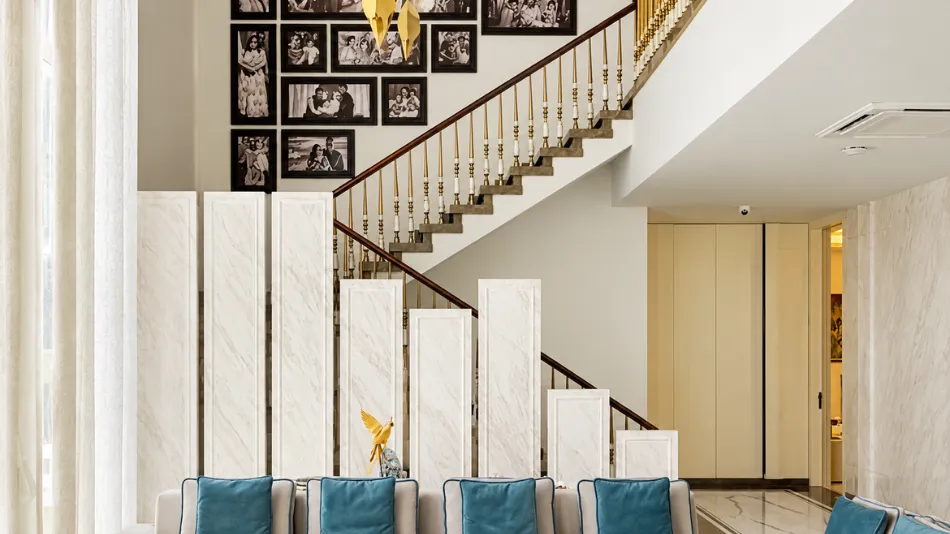
Luxury in Indian residential architecture has often been associated with scale, elaborate detailing and the use of premium materials. While these elements continue to influence residential design, the understanding of luxury is gradually moving beyond visual grandeur. Today, a well-designed home is increasingly defined by how its spaces function, how they respond to their surroundings and how they contribute to the everyday experiences of those who inhabit them.
The planning of a luxury residence begins with an understanding of space and proportion. The relationship between private and shared areas, the placement of rooms and the transitions between different spaces all influence how a home is experienced. Generous volumes, carefully considered circulation and a sense of openness can create an environment that feels comfortable without relying on unnecessary ornamentation. In luxury residential architecture, the quality of space often becomes more significant than its sheer size.
Materiality plays an equally important role in shaping the character of a home. Natural stone, wood, metal, textured surfaces and carefully selected finishes can introduce depth and visual continuity into residential interiors. The way materials meet, age and interact with natural light contributes to the atmosphere of a space. Rather than using expensive materials simply as indicators of luxury, thoughtful material selection allows each surface to contribute to the architectural language of the residence.
Natural light and the relationship between indoor and outdoor spaces are also central to contemporary luxury homes in India. Courtyards, landscaped terraces, balconies and double height spaces can create a stronger connection with the outdoors while bringing a sense of openness into the home. The movement of daylight across different surfaces can transform the experience of a room throughout the day, making light an integral part of the architectural design rather than just a functional requirement.
The Indian context brings another dimension to luxury residential design. Climate, location, cultural influences and patterns of everyday living all contribute to how a residence should be conceived. Shaded verandahs, controlled openings, landscaped courts and transitional spaces can help create comfortable environments while responding to local conditions. Contemporary Indian homes can reinterpret these architectural principles through modern planning, construction techniques and material applications, creating residences that feel relevant to their setting without being bound by a particular style.
Privacy, comfort and personalisation are equally important considerations. A luxury home must accommodate the individual needs of its inhabitants, allowing spaces to support different routines, interactions and moments of retreat. From the arrangement of private bedrooms to the planning of shared living areas, each decision contributes to a more considered residential experience. Technology and integrated home systems can further support convenience, provided they remain part of a larger design approach rather than becoming the focus of it.
The evolving idea of luxury in Indian residential architecture therefore lies in the balance between expression and restraint. It is found in the relationship between materials and light, the proportion of spaces, the integration of landscape and the attention given to everyday living. When these elements are considered together, architecture creates more than an impressive residence. It creates a home with a distinct identity, a meaningful relationship with its surroundings and a lasting sense of comfort.
Luxury, ultimately, is not defined by how much a home contains, but by how thoughtfully it is designed to be lived in.