
Residential architecture is evolving faster than ever, shaped by shifting lifestyles, advancing technologies, and a growing desire for meaningful, future-ready living environments. As we step into 2026, homes are no longer looked at merely as shelters but as dynamic ecosystems that support well-being, adaptability, sustainability, and seamless digital integration. The architectural landscape is being redefined by modular layouts, biophilic principles, AI-driven design intelligence, and an elevated consciousness around material choices. Studios like Rajkumar Architects continue to embrace these transitions with a human-centric approach, crafting homes that balance innovation with emotional resonance, and modern comfort with timeless spatial sensibility.
One of the most prominent trends shaping 2026 is the rise of modular and flexible layouts. In an era where family structures, working patterns, and lifestyle priorities are constantly changing, static floor plans no longer serve the evolving needs of homeowners. Modular layouts allow for rooms to expand, contract, or reconfigure as needed, supporting multi-functional living. A study area may seamlessly transform into a guest room, a formal living space into an entertainment lounge, or a compact private corner into an efficient work-from-home zone. These adaptive strategies empower residents to personalise their environment with ease, ensuring the home remains relevant through life’s many transitions. Architects are now designing spaces with strategically placed sliding partitions, transformable furniture, and open-plan shells that can be repurposed without disrupting the architectural integrity.
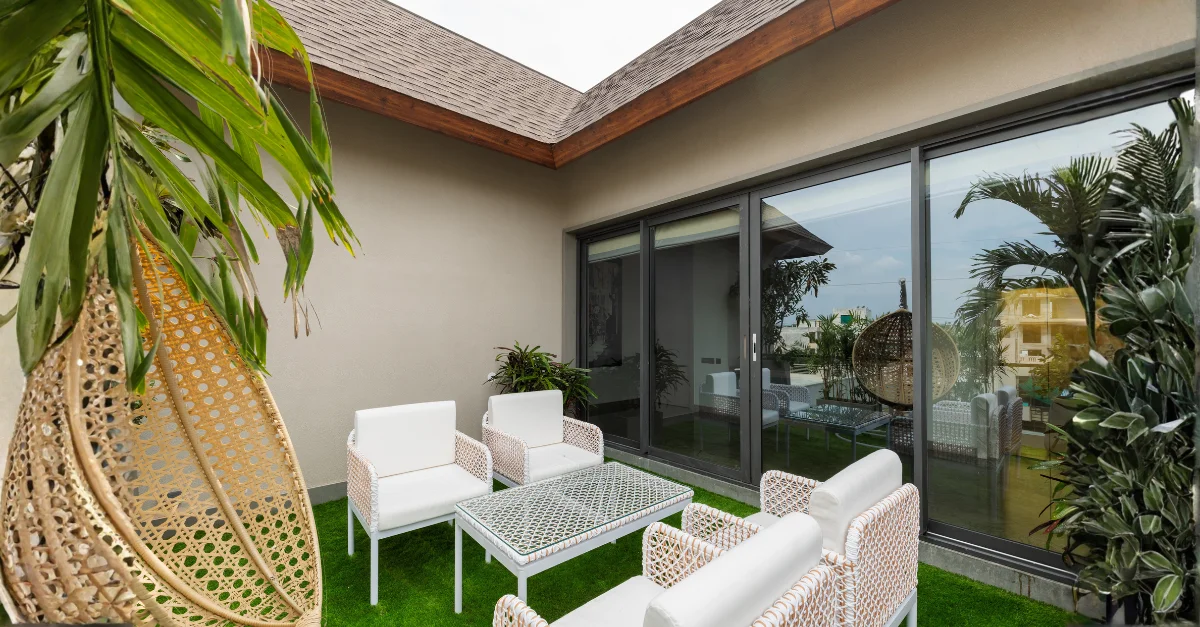
Parallel to modularity is an intensified focus on biophilic integration, a design approach that strengthens the connection between humans and nature. As wellness becomes a central priority in residential design, architects are integrating natural materials, organic forms, abundant greenery, and calibrated natural light into the spatial framework. Homes of 2026 are expected to feature indoor gardens, daylight-optimized layouts, thermal comfort strategies, and seamless indoor–outdoor transitions. Natural textures such as stone, raw wood, lime plaster, and clay finishes are making a resurgence, creating spaces that feel tactile, grounded, and emotionally restorative. Biophilic design not only enhances mental well-being but also improves air quality and overall energy efficiency, a crucial consideration for future-ready residences.
The impact of AI-assisted planning is another transformational shift redefining how homes are conceptualized. Artificial intelligence is enabling architects and designers to work with unprecedented clarity, precision, and personalisation. From analysing behavioural patterns and optimising spatial flow to predicting lighting conditions and simulating material performance, AI tools provide insights that elevate both the efficiency and creativity of the design process. For clients, this means faster decision-making, immersive visualisations, and homes tailored to their daily routines and long-term needs. AI-driven smart home systems further enhance functionality, offering predictive climate control, personalised lighting moods, automated energy management, and enhanced security. These systems create intuitive environments that adapt to the resident rather than requiring the resident to adapt to the space.
Sustainability is no longer an optional consideration; it is a defining criterion of modern residential luxury. The future of high-end homes lies in consciously chosen materials, energy-efficient systems, and environmentally resilient designs. Residences in 2026 are expected to incorporate recycled composites, low-VOC finishes, bamboo, reclaimed wood, and high-performance glass. Designers are exploring materials that are not only durable but also ethically sourced and ecologically responsible. Water management solutions, such as rainwater harvesting, greywater recycling, and native landscaping, are becoming integral. Solar integration, passive cooling strategies, and green roofs contribute to reducing carbon footprints while enhancing the architectural character of the home.
A significant shift is visible in the definition of luxury itself. No longer associated merely with opulence, the luxury home of 2026 is defined by comfort, wellness, craftsmanship, and timeless design. Spaces prioritise calmness, privacy, and sensorial experiences over excess. High-quality materials, thoughtful detailing, serene palettes, and curated lighting combine to create homes that feel personal and enduring. The rise of artisanal elements, handcrafted surfaces, bespoke installations, and custom furnishings, adds emotional depth to contemporary residential interiors. As homeowners seek authenticity, the integration of craftsmanship becomes a symbol of luxury that stands beyond trends.
Furthermore, the future of residential architecture is closely aligned with community and context. Homes are becoming extensions of their landscapes, climates, and cultural identities. Architecture in 2026 will focus on harmonising with the site, leveraging natural vistas, optimising wind flow, and responding to the region’s heritage and vernacular patterns. This approach ensures that each residence feels rooted and meaningful, rather than generic or globally neutral.
In this rapidly evolving landscape, Rajkumar Architects exemplify a design philosophy that aligns seamlessly with the future of residential architecture. Their emphasis on human-centric solutions, contextual sensitivity, and meticulous attention to detail ensures that every project they craft remains both forward-thinking and deeply connected to the needs of its inhabitants. By embracing modular layouts, biophilic elements, innovative planning tools, and sustainable materials, they continue to shape homes that are not just visually refined but experientially rich. As 2026 approaches, their work stands as a testament to how architecture can adapt, elevate, and inspire, meeting the demands of modern living while preserving the essence of timeless design.