
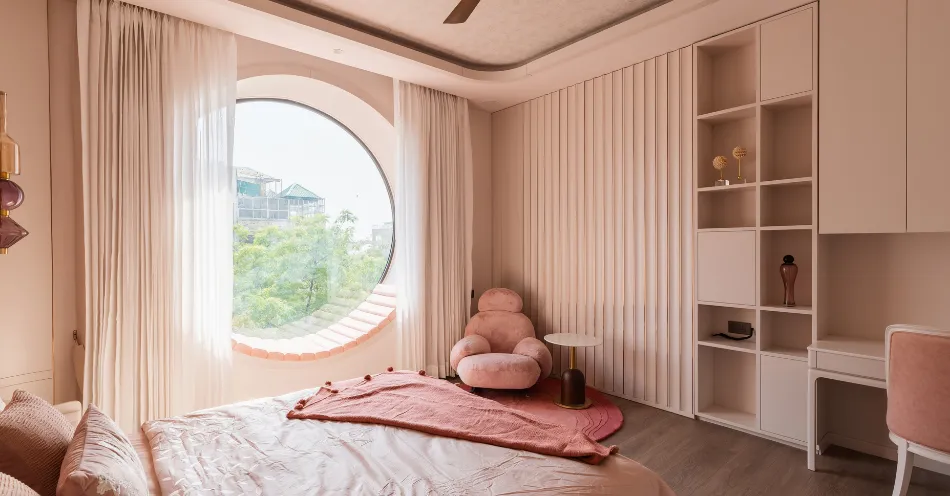
Healing in architecture is no longer limited to hospitals, wellness centres, or therapeutic spaces. Today, the built environment itself is increasingly recognised as a contributor to physical comfort, mental wellbeing, and environmental health. As cities densify and climatic conditions become more extreme, the responsibility of architecture has expanded beyond aesthetics and functionality. Buildings must now actively support the people who inhabit them.
At the centre of this shift lies the building envelope. Once considered a static outer shell, the facade has evolved into a responsive system that mediates the relationship between interior life and external forces. High-performance facades and fenestration systems shape how light, air, heat, privacy, and sound are experienced on a daily basis. Together, they play a critical role in creating spaces that feel calm, balanced, and conducive to wellbeing.
The Building Envelope as a Human Interface
The facade is the first point of interaction between a building and its environment. Traditionally designed for protection and visual expression, it is now understood as a dynamic interface that regulates thermal comfort, daylight, ventilation, acoustics, and privacy. Each of these factors directly influences occupant health and comfort.
In warm and semi-arid climates, uncontrolled solar exposure can lead to overheating, glare, and excessive dependence on mechanical cooling systems. These conditions often result in environments that are physically uncomfortable and mentally exhausting. Climate-responsive facade design addresses these challenges by carefully balancing openness with control. Layered elevations, recessed openings, deep overhangs, and shading devices help moderate heat gain while allowing buildings to remain open and light-filled.
By reducing extreme temperature fluctuations and visual stress, facades contribute to spaces that feel intuitive and comfortable across seasons. Healing through design begins by minimising discomfort and allowing architecture to respond naturally to its climate rather than resisting it.
Daylight and the Quality of Interior Space
Access to natural daylight is one of the most powerful contributors to wellbeing in architecture. Numerous studies link daylight to improved circadian rhythms, better sleep patterns, enhanced mood, and increased productivity. However, in regions with intense sunlight, unrestricted glazing can quickly become counterproductive, leading to glare and heat buildup.
High-performance fenestration systems enable controlled daylight penetration rather than complete exposure. Window size, orientation, depth, and placement must work together to filter light and distribute it evenly. Design elements such as deep reveals, vertical fins, and calibrated openings allow soft, diffuse daylight to enter interiors while limiting harsh contrasts and direct solar gain.
Within residential architecture, daylight strategies often vary by function. Living and dining spaces benefit from generous illumination and visual openness, fostering a sense of expansiveness and social connection. Bedrooms and private areas require softer light and greater enclosure to support rest and retreat. Double-height spaces and internal courtyards further enhance daylight performance by allowing light to travel deeper into the plan. This reduces reliance on artificial lighting during the day while creating interiors that feel uplifting rather than overwhelming.
Privacy as a Component of Wellbeing
In dense urban environments, privacy has become an essential yet often compromised aspect of residential design. Large openings may bring in light and views, but they can also expose interiors to visual intrusion, noise, and psychological discomfort. High-performance facades resolve this tension through layered and thoughtful design strategies.
Screens, louvers, perforated panels, and offset openings allow filtered views and controlled transparency. These elements maintain a visual connection with the outdoors while ensuring a sense of refuge within the home. Rather than isolating occupants, such strategies create a balance between openness and protection.
Privacy is fundamental to emotional comfort. Spaces that feel overly exposed can generate stress, particularly in domestic environments where occupants seek calm and security. Facade systems that allow users to adjust openness throughout the day also provide a sense of control over one’s environment. This ability to modulate light, air, and visibility is a key component of psychologically supportive architecture.
Thermal Comfort and Passive Performance
Thermal comfort remains one of the most significant factors influencing how spaces are perceived and used. High-performance facades play a central role in achieving this comfort by supporting passive cooling and reducing heat gain.
Design elements such as shaded balconies, recessed glazing, and layered facade systems act as thermal buffers between the interior and the external environment. These features lower surface temperatures and stabilise indoor conditions, particularly during peak summer months. When combined with cross-ventilation strategies, facades can significantly reduce reliance on air conditioning systems.
In residential buildings, where occupants spend long periods indoors, consistent thermal comfort directly affects daily wellbeing. Passive strategies embedded within the building envelope not only improve energy efficiency but also create spaces that feel quieter, calmer, and more humane. Comfort achieved through design rather than constant mechanical intervention fosters a more natural and relaxed way of living.
Materiality and Sensory Experience
Healing architecture extends beyond environmental performance to include sensory experience. Material choices influence how spaces feel, how light is absorbed or reflected, and how environments age over time. Restrained material palettes with tactile depth tend to reduce visual noise and promote calm.
Natural materials, textured finishes, and neutral tones absorb light softly, preventing glare and harsh contrasts. When paired with controlled daylight, these materials create interiors that feel grounded and composed. From a facade perspective, materiality also impacts durability and thermal behaviour. Materials with thermal mass help moderate temperature swings, while textured surfaces weather gracefully, maintaining character over time.
These qualities contribute to long-term occupant satisfaction. Buildings that age well and remain comfortable over years of use support a deeper emotional connection between people and place.
Facades as Transitional and Social Spaces
Beyond environmental regulation, facades increasingly shape social experience. Balconies, terraces, verandahs, and semi-open zones blur the boundary between interior and exterior, creating transitional spaces that encourage movement and interaction.
In dense urban settings, such spaces are vital for wellbeing. They provide access to fresh air, visual relief, and moments of pause within daily routines. These zones allow occupants to decompress, engage with nature, and connect informally with others. When thoughtfully designed, facade elements become more than protective layers. They shape how buildings are lived in and experienced over time.
Fenestration and Environmental Balance
Fenestration systems sit at the intersection of performance and experience. The size, placement, and operability of windows influence daylight quality, ventilation, acoustic comfort, and thermal efficiency. Operable windows support natural ventilation and improve indoor air quality, while acoustic considerations ensure comfort in noisy urban environments.
Advanced glazing solutions further enhance insulation without compromising visual clarity. However, technology alone does not define effective fenestration. Healing-centric design depends on careful integration with orientation, planning, and facade composition. When these elements work together, buildings perform efficiently while remaining deeply human in scale and experience.
Conclusion
Healing through design represents a fundamental shift in how architecture is conceived and evaluated. High-performance facades and fenestration systems are central to this evolution, shaping how light, air, comfort, and privacy are experienced every day.
By reimagining the building envelope as a living interface rather than a static boundary, architects can create environments that actively support health, resilience, and emotional wellbeing. In an era marked by urban density and environmental uncertainty, such approaches are no longer optional. They are essential to the future of responsible, human-focused architecture.