
Sustainability in architecture is no longer defined solely by energy efficiency or environmental performance. Today, it is increasingly understood as a way of creating homes that improve everyday life through thoughtful, human-centred design. A truly sustainable home does far more than consume fewer resources it responds intelligently to its climate, enhances comfort, supports wellbeing, and remains relevant for generations.
As the way we live continues to evolve, architecture must move beyond meeting functional requirements. Homes today are expected to offer healthier environments, greater flexibility, and a stronger connection to nature while remaining resilient over time. Sustainability, therefore, is not an addition to the design process but a guiding principle that influences every decision from the earliest stages of planning.
At Rajkumar Architects, sustainability is embedded into every stage of the design process. Rather than treating it as a technical feature or a checklist of environmental measures, we integrate it into spatial planning, orientation, material selection, and the overall living experience. Every project begins with understanding the site’s unique climate, context, and the lifestyle of its occupants, ensuring that each design responds naturally to its surroundings.
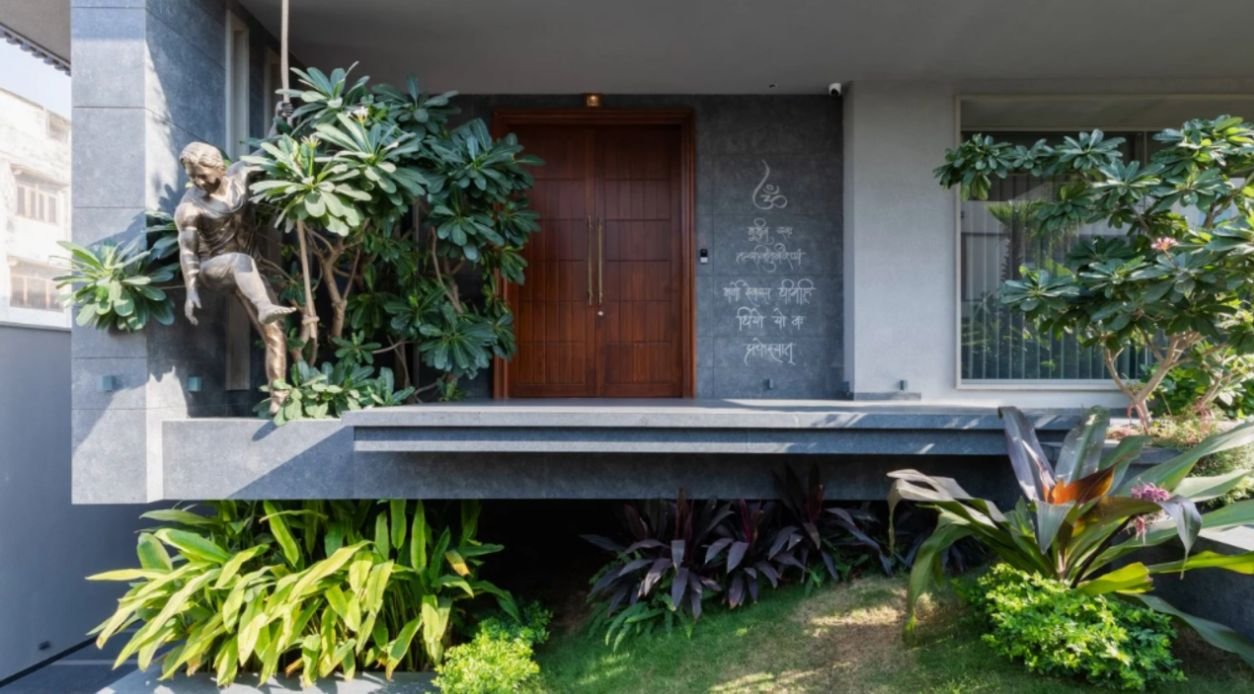
Projects such as The Verve Residence in Jaipur reflect this philosophy. Designed to respond to the region’s climatic conditions, the residence incorporates strategic orientation, layered balconies, deep overhangs, louvres, and natural stone to minimise heat gain while maintaining a refined architectural expression. Large openings maximise daylight and encourage natural cross-ventilation, reducing dependence on artificial lighting and mechanical cooling while creating bright, comfortable, and inviting interiors throughout the day.
Material authenticity plays an equally significant role in creating sustainable homes. Carefully selected natural materials, timeless finishes, and thoughtful detailing not only enhance the architectural character of a space but also ensure long-term durability, ease of maintenance, and lasting value. By prioritising materials that age gracefully and perform well over time, homes remain relevant and beautiful without requiring frequent replacement or renovation.
Sustainability also extends to the emotional experience of a home. Spaces filled with natural light, fresh air, balanced proportions, and meaningful connections to the outdoors contribute to physical comfort and mental wellbeing. These qualities create environments that feel calm, restorative, and deeply connected to the people who inhabit them.
Ultimately, sustainable architecture is about much more than reducing environmental impact. It is about designing homes that enrich everyday living, respond intelligently to their surroundings, and continue to serve their occupants with comfort, efficiency, and beauty for years to come. By balancing climate-responsive design, timeless materials, and thoughtful planning, architecture can create spaces that not only endure but also improve the quality of life for generations.