
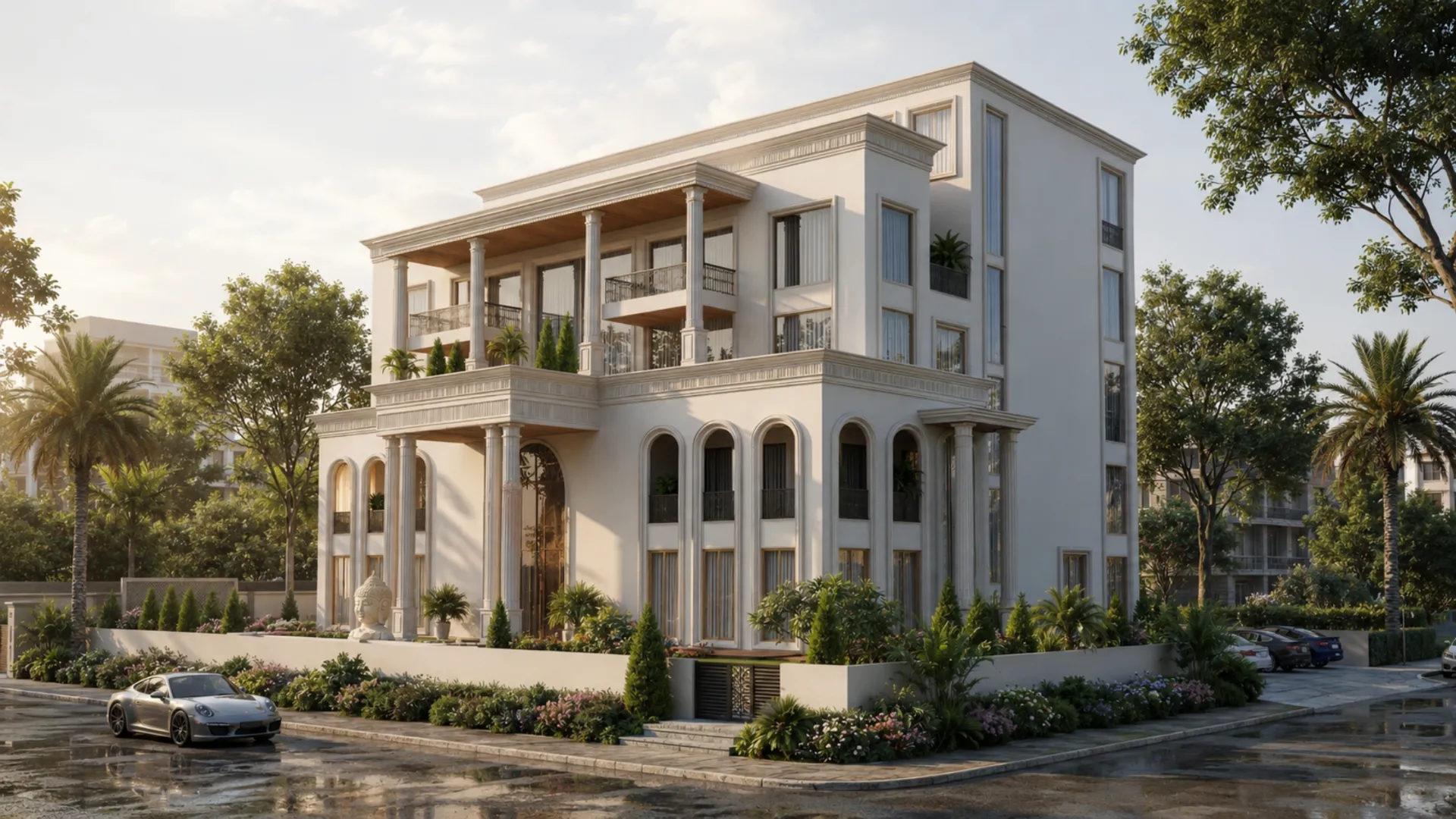
When people think about architecture, attention often goes to what is immediately visible. A striking facade, premium materials, or a beautifully composed interior usually become the defining features of a home. Yet, the true success of residential architecture lies in the decisions that often go unnoticed. These are the design choices that quietly influence how people move, interact, relax, and experience their homes every day.
A well-designed home begins long before finishes and furnishings are selected. It starts with understanding how people live. Every family has different routines, priorities, and aspirations. Architecture translates these patterns into spaces that feel intuitive rather than forced. The result is a home that supports everyday living without demanding constant adjustment from its occupants.
One of the most significant hidden decisions is circulation planning. The way spaces connect determines how naturally a home functions. Smooth transitions between public and private areas, logical movement paths, and well-considered access points create an effortless living experience. Good circulation is rarely noticed because it simply feels right. Poor circulation, however, becomes immediately apparent through interruptions, congestion, or unnecessary movement.
Another overlooked aspect is spatial hierarchy. Not every room should carry the same visual or functional importance. Living spaces often benefit from openness and connectivity, while bedrooms require greater privacy. Transitional areas such as corridors, courtyards, and staircases serve as more than connectors. They establish rhythm, create moments of pause, and gradually shift the atmosphere as one moves through the home.
Natural light is another invisible design tool. Rather than relying on larger windows alone, architects study orientation, seasonal changes, and the movement of sunlight throughout the day. Carefully positioned openings bring daylight deep into interiors, reduce glare, and create changing visual experiences that evolve with time. These decisions improve both functionality and the overall perception of space.
Similarly, proportions influence how a room feels regardless of its size. Ceiling heights, wall lengths, and the relationship between width and depth all affect comfort and spatial quality. A carefully proportioned room often feels more generous than a much larger space that lacks balance. Good architecture focuses on creating the right experience rather than simply increasing square footage.
Storage is another example of architecture working quietly in the background. Integrated storage solutions reduce visual clutter and allow spaces to remain organised without compromising aesthetics. When planned from the beginning, storage becomes part of the architecture instead of an afterthought.
The relationship between indoor and outdoor spaces also shapes daily living in meaningful ways. Courtyards, terraces, gardens, and shaded transitional areas extend the experience of the home beyond its built footprint. These spaces encourage natural ventilation, improve visual connectivity, and create opportunities for everyday interaction with nature.
Material selection also extends beyond appearance. Every material contributes differently to durability, maintenance, environmental response, and long-term performance. Choosing the right material for the right application ensures that the home continues to perform well for years while maintaining its architectural integrity.
Perhaps the most valuable design decisions are those that anticipate the future. Families evolve, lifestyles change, and new needs emerge over time. Flexible layouts, adaptable spaces, and careful planning allow a residence to accommodate these changes without requiring major alterations.
The best residential architecture is rarely defined by a single feature. It is shaped by hundreds of thoughtful decisions working together to create an environment that feels effortless, functional, and deeply connected to the people who live within it. These invisible layers of planning are what transform a building into a home that continues to support everyday life long after construction is complete.